
The Sports Medicine Patient Advisor is a comprehensive guide designed to empower individuals with knowledge on managing sports-related injuries and rehabilitation. It serves as a valuable resource for athletes, healthcare providers, and parents, offering practical insights and tools for recovery and injury prevention. The guide emphasizes patient advocacy and education, ensuring individuals can navigate their care effectively and achieve optimal outcomes.
1.1 Purpose of the Guide
The primary purpose of the Sports Medicine Patient Advisor is to empower individuals with the knowledge and tools necessary to navigate the complexities of sports-related injuries and rehabilitation. This guide serves as a bridge between patients, healthcare providers, and other stakeholders, ensuring clear communication and understanding. It aims to provide accessible, practical insights and resources for managing injuries, preventing future issues, and promoting safe return-to-play protocols. Designed for athletes, coaches, parents, and healthcare professionals, the guide emphasizes patient education, advocacy, and support, fostering an environment where individuals can take an active role in their recovery and overall well-being.
1.2 Overview of Sports Medicine
Sports medicine is a specialized field of healthcare that focuses on the prevention, diagnosis, treatment, and rehabilitation of injuries and conditions related to physical activity and sports. It integrates medical, scientific, and therapeutic approaches to enhance athletic performance, promote overall health, and ensure safe participation in sports. Sports medicine addresses a wide range of concerns, from acute injuries like sprains and fractures to chronic conditions such as tendonitis or overuse syndromes. It also emphasizes injury prevention through proper training, conditioning, and equipment use. By leveraging advanced diagnostic tools like MRIs and X-rays, sports medicine professionals tailor care to meet the unique needs of athletes and active individuals, helping them achieve optimal recovery and performance. This field plays a vital role in supporting individuals at all levels of physical activity, from recreational enthusiasts to professional athletes.
1.3 Who Can Benefit from This Guide?
This guide is designed to benefit a wide range of individuals, including athletes, active individuals, and patients recovering from sports-related injuries. It is particularly useful for those seeking to understand their conditions, manage recovery, and prevent future injuries. Parents of young athletes, coaches, and even healthcare providers can gain valuable insights to support recovery and rehabilitation. The guide is also beneficial for individuals transitioning back to physical activity after an injury or surgery. By providing comprehensive and accessible information, it empowers anyone looking to navigate the complexities of sports medicine, ensuring informed decisions and optimal outcomes. Its universal approach makes it suitable for all activity levels and age groups.
1.4 Importance of Patient Education
Patient education is a cornerstone of effective sports medicine care, empowering individuals to take an active role in their recovery and long-term health. By understanding their conditions, treatment options, and recovery processes, patients can make informed decisions and adhere to recommended care plans. Education fosters a partnership between patients and healthcare providers, ensuring mutual goals and expectations are aligned. It also reduces anxiety and misconceptions, enabling patients to manage their recovery confidently. Well-educated patients are more likely to follow rehabilitation protocols, avoid re-injury, and achieve optimal outcomes. This guide prioritizes patient education to enhance understanding, improve adherence, and ultimately promote better health outcomes for all individuals involved in sports medicine.

General Advice for Sports Medicine Patients
Follow treatment plans, communicate openly with providers, prioritize rest, maintain a healthy diet, and monitor symptoms to ensure safe and effective recovery from injuries or conditions.
2.1 Calcium Supplements
Calcium supplements are essential for maintaining strong bones and preventing fractures, especially for athletes with inadequate dietary intake. Adults typically need 1,000–1,200 mg daily. Food sources like dairy, leafy greens, and fortified products should be prioritized. Supplements are recommended if dietary intake is insufficient, particularly for those with a history of stress fractures or osteoporosis. They can help promote bone health and reduce injury risk. Always consult a healthcare provider before starting calcium supplements to determine the appropriate dosage and timing, as excessive intake may cause side effects like stomach upset. Proper absorption is key, so consider taking supplements in divided doses and with vitamin D if needed.
2.2 Cast Care
Proper cast care is crucial for healing and preventing complications. Elevate the affected limb above heart level to reduce swelling. Keep the cast dry; wrap it in a plastic bag during showers. Avoid inserting objects inside the cast, as this can cause skin irritation or infections. Do not bear weight on the cast until cleared by your doctor. Check for redness, swelling, or foul odors, which may indicate infection. Attend follow-up appointments to monitor healing. Avoid smoking, as it impairs bone healing. Follow your healthcare provider’s instructions for cast removal and rehabilitation. Proper care ensures a smooth recovery and prevents further damage.
2.3 Crutches
Crutches are essential for mobility while recovering from injuries or surgeries. Ensure they are properly fitted; your doctor should adjust them to your height, with elbows slightly bent. Use the correct walking technique: bear weight on your arms, not your armpits, and take small steps. On stairs, always hold the handrail and step with your good leg first. Avoid running or using crutches on uneven surfaces. Regularly inspect crutches for wear and tear. Follow your doctor’s advice for weight-bearing restrictions and rehabilitation. Proper use of crutches promotes healing, prevents further injury, and supports a safe recovery process. Always prioritize balance and stability when moving.
2.4 Exercise During Pregnancy
Exercise during pregnancy is beneficial for maintaining physical and mental health. Activities like walking, swimming, and prenatal yoga are recommended for improving circulation and reducing discomfort. Avoid high-impact sports or contact activities that risk injury. Listen to your body and stop if you experience dizziness, pain, or shortness of breath. Always consult your healthcare provider before starting or continuing an exercise routine. Modify exercises to avoid lying flat on your back after the first trimester. Proper exercise supports a healthy pregnancy and prepares the body for recovery postpartum. Balancing activity with rest ensures a safe and positive experience for both mother and baby.

Injury-Specific Advice
This section provides specialized guidance for managing common sports injuries, from sprains to fractures, offering tips on recovery and prevention. Emphasizing the role of healthcare providers in tailoring treatment plans.
3.1 Ankle Injuries
Ankle injuries are common in sports, often resulting from rolls, twists, or awkward landings. Immediate care involves the RICE method: Rest, Ice, Compression, and Elevation. Mild sprains may heal with bracing and physical therapy, while severe cases may require surgery. Early mobilization is crucial to prevent stiffness. Pain management can include over-the-counter medications like ibuprofen. Proper rehabilitation focuses on restoring strength, balance, and range of motion. Preventive measures include wearing supportive footwear, strengthening calf muscles, and practicing balance exercises. Consulting a healthcare professional ensures proper diagnosis and treatment, reducing the risk of chronic instability or recurring injuries.
3.2 Ankle Fracture
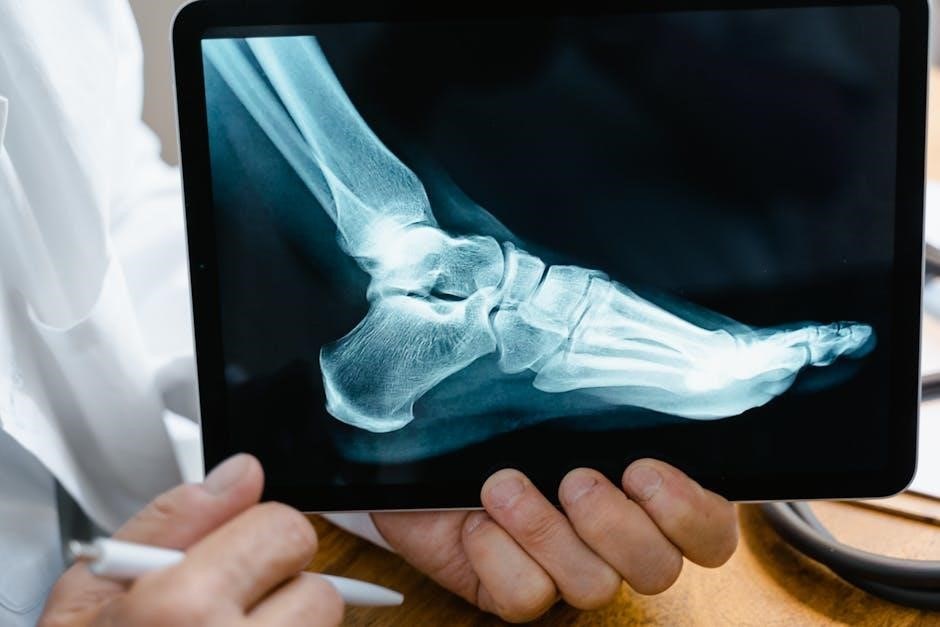
Ankle fractures occur when one or more bones in the ankle joint break, often due to trauma, falls, or high-impact sports. Symptoms include severe pain, swelling, bruising, and inability to bear weight. Diagnosis typically involves X-rays or CT scans to assess the fracture’s severity. Treatment may include immobilization in a cast or boot, or surgery for displaced fractures; Rehabilitation focuses on restoring mobility and strength through physical therapy. Proper healing is critical to avoid chronic pain or arthritis. Early medical attention is essential to prevent complications, such as improper healing or infection. Patients should avoid putting weight on the injured ankle until cleared by a healthcare provider.

3.3 Ankle Sprain
Ankle sprains occur when ligaments surrounding the ankle are stretched or torn, often due to rolling or twisting the ankle during sports or physical activities. Symptoms include pain, swelling, bruising, and difficulty walking. The RICE method—Rest, Ice, Compression, and Elevation—is the initial treatment. Bracing or taping can provide support during healing. Early treatment is crucial to prevent chronic ankle instability, which may lead to repeated sprains. Patients should avoid putting weight on the injured ankle until assessed. Severe symptoms, such as inability to bear weight, warrant immediate medical evaluation. Proper rehabilitation through exercises can restore strength and flexibility, reducing the risk of future injuries.
3.4 Elbow Injuries

Elbow injuries are common in sports and activities involving repetitive arm movements or direct trauma. They often result from overuse, falls, or collisions. Conditions like medial epicondylitis (golfer’s elbow) and lateral epicondylitis (tennis elbow) are frequent, causing pain and stiffness. Symptoms include tenderness, swelling, and difficulty gripping objects. Initial treatment involves rest, ice, and anti-inflammatory medications. Physical therapy can improve flexibility and strength. Severe cases may require bracing or corticosteroid injections. Proper warm-up routines and ergonomic adjustments can prevent recurrence. Early diagnosis and intervention are essential to avoid chronic issues and restore full function. Patients should avoid activities that exacerbate pain during recovery.
3.5 Golfers Elbow
Golfer’s elbow, or medial epicondylitis, is a condition causing pain and inflammation on the inner side of the elbow. It often results from repetitive wrist and forearm movements, such as gripping or twisting, common in golf and other sports. Symptoms include tenderness, swelling, and weakness in the affected area. Treatment typically involves rest, ice, and physical therapy to strengthen the muscles. Anti-inflammatory medications may also be recommended. In severe cases, corticosteroid injections or surgery may be necessary. Proper rehabilitation and ergonomic adjustments can help prevent recurrence. Early intervention is crucial to restore function and reduce long-term discomfort.
3.6 Little Leaguers Elbow
Little Leaguers Elbow, or medial epicondyle apophysitis, is a common overuse injury in young athletes, particularly those involved in repetitive throwing sports like baseball. It affects the medial epicondyle, causing pain, swelling, and tenderness on the inner elbow. The condition often arises from repetitive stress on the growth plates due to improper pitching mechanics or overtraining. Symptoms include pain during or after throwing, swelling, and reduced range of motion. Treatment involves rest, ice, and physical therapy to improve flexibility and strength. Anti-inflammatory medications may alleviate discomfort. In severe cases, surgery may be required. Proper training, warm-up routines, and avoiding excessive pitching are key to prevention.
3.7 Knee Injuries
Knee injuries are common in sports, often resulting from sudden twists, direct blows, or overuse. Symptoms include pain, swelling, instability, and limited mobility. Ligament sprains, such as ACL or MCL tears, are frequent, along with meniscus tears and patellar tendinitis. Immediate treatment involves rest, ice, and compression to reduce swelling. Physical therapy is crucial for recovery, focusing on strengthening and improving flexibility. In severe cases, surgery may be necessary, followed by rehabilitation. Preventive measures include strengthening exercises, proper warm-ups, and using supportive gear. Early diagnosis through MRI or X-ray ensures appropriate treatment. Addressing knee injuries promptly helps prevent long-term damage and restores functional mobility for athletes.
3.8 ACL Tears
An ACL (Anterior Cruciate Ligament) tear is a common knee injury, often occurring during sudden stops, pivots, or direct blows. Symptoms include a popping sound, severe pain, swelling, and instability. Partial or complete tears require immediate care. Initial treatment involves RICE (Rest, Ice, Compression, Elevation) to reduce swelling. Partial tears may heal with physical therapy, while complete tears typically require surgical reconstruction, especially for active individuals. Rehabilitation is extensive, focusing on strength, stability, and range of motion. Working with an orthopedic specialist and physical therapist is essential for optimal recovery. ACL tears can sideline athletes for several months, emphasizing the need for proper rehabilitation to restore function and prevent further damage.
3.9 Medial Collateral Ligament Sprains
A medial collateral ligament (MCL) sprain occurs when the ligament on the inner side of the knee is stretched or torn, often due to a direct blow or awkward twisting. Symptoms include pain, swelling, and instability on the medial side of the knee. Treatment depends on the severity of the sprain. Grade 1 and 2 sprains typically respond to the RICE method (Rest, Ice, Compression, Elevation) and bracing, while Grade 3 tears may require surgery. Physical therapy is essential for restoring strength and flexibility. Recovery time varies, but most patients return to activity within 2-6 weeks. Proper rehabilitation is key to preventing re-injury and ensuring full functional recovery.
3.10 Shoulder Injuries
Shoulder injuries are common in sports, often resulting from falls, direct impacts, or repetitive motions. Common injuries include dislocations, separations, and rotator cuff strains. Symptoms may include pain, limited mobility, and weakness in the shoulder. Treatment varies depending on the severity, with minor injuries managed through rest, ice, and physical therapy. More severe cases may require surgery or immobilization. Proper rehabilitation is crucial to restore strength and range of motion. Preventative measures include strengthening exercises and proper warm-ups. Early diagnosis and treatment are essential to avoid long-term damage and ensure a successful return to activity. A structured recovery plan helps patients regain full shoulder function and reduce the risk of future injuries.
3.11 Rotator Cuff Injuries
Rotator cuff injuries are common among athletes and individuals performing repetitive overhead activities. These injuries can range from mild strains to full-thickness tears. Symptoms include shoulder pain, weakness, and limited mobility, especially with overhead movements. Treatment often begins with conservative measures like rest, ice, and physical therapy. In severe cases, arthroscopic surgery may be necessary to repair damaged tendons. Rehabilitation focuses on strengthening the shoulder muscles and improving flexibility. Preventative exercises, such as shoulder stabilization and rotator cuff strengthening, can reduce the risk of injury. Early diagnosis and proper management are critical to avoid chronic issues and ensure a full recovery. A tailored rehabilitation plan is essential for restoring function and returning to sports or daily activities safely.
3.12 Stress Fractures
Stress fractures are small cracks in bones caused by repetitive stress or overuse, often seen in athletes involved in running, jumping, or repetitive impact activities. Symptoms include localized pain that worsens with activity, swelling, and tenderness. Diagnosis typically involves X-rays or MRIs to confirm the fracture. Treatment depends on severity: minor fractures may require rest and immobilization, while more severe cases may need surgery or bracing. Proper footwear, gradual increases in training intensity, and strength training can help prevent stress fractures. Early detection and intervention are crucial to avoid further complications and ensure a full recovery. Adequate nutrition, including calcium and vitamin D, also supports bone health.
Rehabilitation and Recovery
Rehabilitation and recovery are critical for restoring function, strength, and endurance after injury or surgery. A structured plan, personalized to the patient’s needs, ensures a safe return to activity and promotes overall well-being.
4.1 Physical Therapy
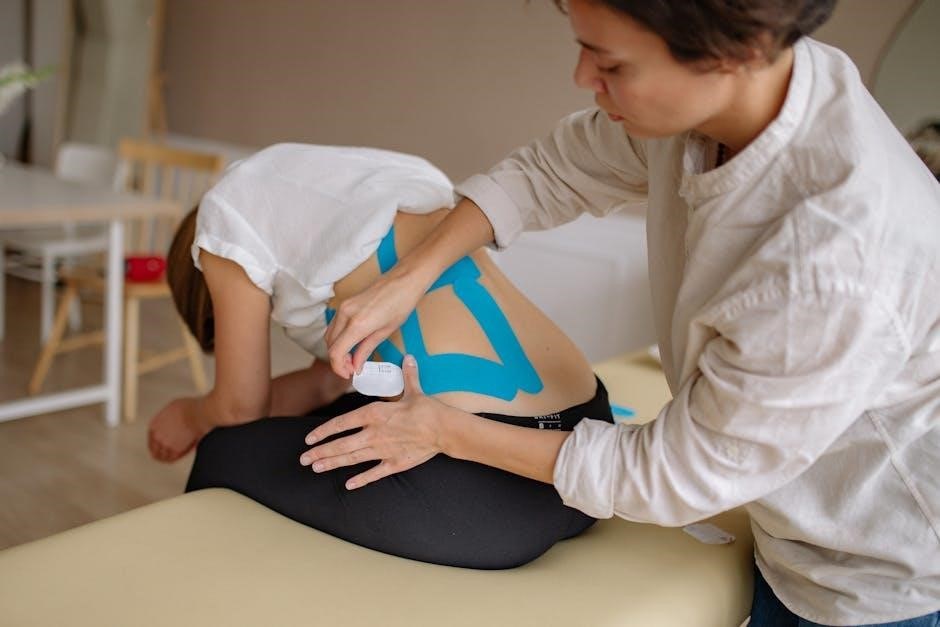
Physical therapy plays a vital role in rehabilitation, focusing on restoring strength, mobility, and function after injuries or surgeries. Licensed therapists design personalized programs tailored to specific needs, incorporating exercises, manual therapy, and education. Goals include reducing pain, improving flexibility, and enhancing endurance to facilitate a safe return to activity. Therapy often begins with gentle movements and progresses to more intense exercises. Consistency and adherence to the prescribed regimen are crucial for optimal recovery. Physical therapy also emphasizes proper biomechanics and injury prevention techniques, empowering patients to maintain long-term health and avoid future setbacks. A structured approach ensures a holistic recovery process.
4.2 Exercise Programs
Exercise programs are tailored to individual needs, focusing on enhancing strength, flexibility, and endurance. These structured plans aim to restore function, improve performance, and prevent future injuries. Programs often include aerobic exercises, resistance training, and sport-specific drills, progressing gradually to build resilience. Healthcare professionals monitor progress, adjusting routines as needed. Consistency is key to achieving goals and ensuring a smooth transition back to activity. Education on proper form and technique is emphasized to minimize risks. By addressing both physical and functional aspects, exercise programs empower patients to regain confidence and achieve optimal recovery, preparing them for a successful return to their active lifestyles and pursuits.
4.3 Bracing and Support
Bracing and support devices play a crucial role in stabilizing injuries, reducing pain, and aiding recovery. They are commonly used for joints like knees, ankles, and elbows to provide structural support. Braces can be custom-fitted or off-the-shelf, depending on the severity of the injury. For example, neoprene sleeves are often used for mild knee injuries, while hinged braces offer more stability for ACL tears. Proper fitting is essential to avoid discomfort or impaired circulation. Patients should follow professional recommendations for brace usage, as overuse can hinder muscle strength. Bracing is a complementary tool in rehabilitation, helping patients regain confidence and mobility during the healing process.

4.4 Return to Play
Returning to play after an injury requires a careful and structured approach to ensure safety and prevent re-injury. Athletes must achieve full recovery, regain strength, and demonstrate proper functional mobility before resuming sports activities. A gradual progression from light practice to full competition is recommended. Rushing back too soon can lead to further damage or prolonged recovery. Healthcare providers often use objective criteria, such as strength tests and range-of-motion assessments, to determine readiness. Open communication between the patient, coach, and medical team is essential to ensure a safe and successful return to play, promoting long-term health and performance.
Injury Prevention Strategies
Injury prevention strategies are crucial for reducing risks and enhancing performance in sports, promoting long-term health and well-being for athletes and teams.
5.1 Warm-Up and Stretching
A proper warm-up and stretching routine are essential for injury prevention and optimal performance. Dynamic stretches, such as leg swings and arm circles, increase blood flow and flexibility. Static stretches, like hamstring and quadriceps stretches, improve muscle elasticity and reduce stiffness. Incorporating both types before and after activity helps prevent muscle strains and joint injuries. Consistency in a stretching routine enhances range of motion and reduces recovery time. Athletes should focus on major muscle groups and tailor stretches to their specific sport or activity. Proper technique is crucial to avoid overstretching or causing micro-tears. Regular practice fosters long-term benefits and supports overall athletic health.
5.2 Strengthening Exercises
Strengthening exercises are crucial for building resilience and preventing injuries. They target specific muscle groups, improving overall stability and performance. Resistance training, such as weightlifting or resistance bands, enhances muscle strength and endurance. Core exercises, like planks and bridges, stabilize the body and reduce injury risk. Functional exercises mimicking sports movements prepare muscles for dynamic activities. Consistency is key, as muscles adapt over time. A well-structured program balances intensity and recovery, preventing overtraining. Strengthening also supports long-term joint health by reinforcing surrounding tissues. Patients should focus on proper form to maximize benefits and avoid strain. Regular strength training fosters durability and enhances athletic capabilities, making it a cornerstone of injury prevention strategies.
5.3 Proper Equipment Use
Proper equipment use is vital for injury prevention and optimal performance. Selecting gear tailored to the sport and athlete’s needs ensures safety and effectiveness. Helmets, pads, and braces must fit correctly to provide adequate protection. Shoes should match the activity, offering the right support and traction. Regularly inspect equipment for wear and tear, replacing it when necessary. Improperly fitted or outdated gear increases injury risk. Athletes should adhere to manufacturer guidelines and seek professional fitting when needed. Proper equipment use not only enhances performance but also reduces the likelihood of preventable injuries, making it a critical component of sports safety. Consistent adherence to these practices fosters a safer athletic environment.

Diagnostic Imaging
Diagnostic imaging is a key tool for assessing injuries and conditions. Techniques like X-rays, MRIs, and CT scans provide detailed insights, aiding accurate diagnoses and treatment planning.
6.1 MRI
Magnetic Resonance Imaging (MRI) is a non-invasive diagnostic tool that uses magnetic fields and radio waves to produce detailed images of internal structures. In sports medicine, MRI is particularly useful for evaluating soft tissue injuries, such as ligament sprains, tendon tears, and muscle strains. It provides high-resolution images of joints, cartilage, and bones, making it essential for diagnosing conditions like meniscal tears or labral injuries. MRI is also beneficial for assessing spinal injuries and detecting early signs of degenerative conditions. Unlike X-rays, MRI does not involve radiation, making it a safer option for repeated use. It is a critical tool for accurate diagnoses and personalized treatment plans in sports medicine.
6.2 X-Ray
X-rays are a fundamental diagnostic tool in sports medicine, providing clear images of bone structures. They are essential for identifying fractures, dislocations, and bone spurs. X-rays use low doses of radiation to capture images, making them a quick and effective method for assessing skeletal injuries. In sports, they are often the first-line imaging choice for evaluating acute injuries, such as fractures or joint misalignments. While X-rays are less detailed for soft tissues, they are invaluable for confirming bone-related issues. Their simplicity and accessibility make them a critical component in the early diagnosis of injuries, helping guide further treatment or imaging needs.
Role of the Patient Advisor
The patient advisor serves as a guide, ensuring patients understand their care options and receive personalized support throughout recovery, fostering confidence and informed decision-making.
7.1 Patient Advocacy
Patient advocacy is a cornerstone of the sports medicine patient advisor’s role, ensuring patients’ voices are heard and their needs prioritized. Advisors act as liaisons between patients and healthcare providers, facilitating clear communication and addressing concerns. They help navigate complex medical systems, ensuring patients receive appropriate care tailored to their specific injuries or conditions. Advocates also empower patients by explaining treatment options, potential outcomes, and recovery timelines, enabling informed decision-making. By championing patient-centered care, advisors ensure that individuals feel supported and confident in their journey toward healing and recovery, fostering trust and collaboration within the healthcare team. This role is vital for optimizing patient outcomes and satisfaction.
7.2 Empowering Patients
Empowering patients is a critical function of the sports medicine patient advisor, fostering independence and confidence in managing their care. Advisors provide education tailored to individual needs, ensuring patients understand their conditions, treatment options, and recovery processes. By sharing evidence-based information, advisors enable patients to make informed decisions about their health. This empowerment extends to setting realistic expectations and encouraging active participation in rehabilitation. Patients are equipped with tools and strategies for self-care, such as pain management and activity modification. The goal is to create a collaborative partnership, where patients feel capable of navigating their recovery journey effectively, leading to better outcomes and improved quality of life. This approach strengthens patient autonomy and resilience.
The Sports Medicine Patient Advisor serves as a comprehensive resource for individuals seeking to navigate injuries, recovery, and overall wellness in sports and physical activities. By providing detailed guidance on prevention, diagnosis, treatment, and rehabilitation, this guide empowers patients to take an active role in their care. Emphasizing education and advocacy, it ensures that individuals are well-informed to make decisions that promote optimal outcomes. Whether addressing acute injuries or long-term recovery, the advisor offers practical advice and evidence-based strategies. Ultimately, this guide aims to foster resilience, independence, and a seamless return to active lifestyles, making it an indispensable tool for anyone engaging in sports or physical activities.