
Engineering Design Process Worksheet PDF: A Comprehensive Guide
Navigating complex projects demands structured approaches; a PDF worksheet streamlines the engineering design process‚ offering a documented‚ repeatable framework for innovation and problem-solving.
The engineering design process is a systematic problem-solving approach‚ crucial for creating effective and innovative solutions. It’s not merely a linear sequence‚ but rather an iterative cycle of defining problems‚ researching‚ developing solutions‚ and continually refining them through testing and evaluation. Understanding this process is fundamental‚ and utilizing a dedicated worksheet – often in PDF format for easy distribution and documentation – significantly enhances its effectiveness.
This structured methodology empowers individuals and teams to tackle challenges methodically‚ fostering creativity while ensuring practicality. From identifying initial needs to finalizing a design‚ each stage builds upon the last‚ guided by criteria and constraints. The process encourages thorough research‚ brainstorming diverse ideas‚ and critically assessing potential solutions. A well-designed worksheet serves as a central hub‚ capturing insights‚ decisions‚ and progress throughout the entire journey‚ ultimately leading to robust and well-considered outcomes.
What is an Engineering Design Process Worksheet?
An Engineering Design Process Worksheet is a structured document‚ frequently delivered as a PDF‚ designed to guide users through each stage of the engineering design methodology. It’s a practical tool that transforms abstract concepts into tangible steps‚ providing dedicated space for recording observations‚ brainstorming ideas‚ and documenting decisions. These worksheets aren’t simply checklists; they encourage detailed exploration of each phase‚ from initial problem definition to final evaluation.
Typically‚ a comprehensive worksheet will include sections for outlining the problem‚ detailing research findings‚ specifying design requirements‚ listing potential solutions‚ and documenting testing results. The PDF format ensures accessibility‚ portability‚ and version control‚ making it ideal for collaborative projects and educational settings. Utilizing such a worksheet promotes clarity‚ organization‚ and a systematic approach to problem-solving‚ ultimately enhancing the quality and efficiency of the design process.

The Seven Steps of the Engineering Design Process
Following a defined sequence—define‚ research‚ specify‚ brainstorm‚ choose‚ prototype‚ and test—a worksheet guides teams through iterative design‚ ensuring thoroughness and successful outcomes.
Step 1: Define the Problem
Initiating any engineering endeavor requires a crystal-clear understanding of the challenge at hand. The first step‚ meticulously documented within an engineering design process worksheet PDF‚ centers on precisely identifying the problem. This isn’t merely stating an issue; it’s a detailed articulation of what needs to be solved‚ encompassing the core need or opportunity.
A robust worksheet prompts users to ask fundamental questions: What is the specific problem? Who is affected by it? What are the existing conditions? What are the desired outcomes? Clearly defining the problem establishes the project’s focus and prevents scope creep later on;
Effective problem definition often involves stakeholder input and a preliminary assessment of constraints. The worksheet serves as a central repository for this information‚ ensuring everyone involved shares a common understanding of the task. Without a well-defined problem‚ subsequent steps risk being misdirected and inefficient.
Step 2: Do Background Research
Following problem definition‚ a thorough investigation is crucial. The engineering design process worksheet PDF guides users to research existing solutions‚ relevant technologies‚ and the problem’s context. This stage isn’t about reinventing the wheel‚ but building upon existing knowledge.
Worksheets often include sections for documenting sources‚ summarizing findings‚ and identifying potential challenges. Research should explore what others have tried‚ what worked‚ and what failed. It’s vital to understand the current state-of-the-art and identify any intellectual property considerations.
Effective research informs subsequent design decisions‚ preventing redundant efforts and fostering innovation. The worksheet encourages a broad scope‚ encompassing scientific principles‚ market analysis‚ and user needs. This step lays the foundation for informed brainstorming and solution development‚ ensuring a practical and effective outcome.
Step 3: Specify Requirements
After research‚ clearly defining project requirements is paramount. An engineering design process worksheet PDF facilitates this by prompting detailed specification of desired functionalities‚ performance criteria‚ and constraints. These requirements act as benchmarks for evaluating potential solutions.
Worksheets typically include sections for listing functional requirements (what the design must do)‚ non-functional requirements (qualities like usability or aesthetics)‚ and constraints (limitations like budget‚ materials‚ or time). Prioritizing these requirements – using scales like “must-have‚” “should-have‚” and “nice-to-have” – is crucial.
Well-defined requirements minimize ambiguity and ensure all team members share a common understanding of the project goals. This step prevents scope creep and facilitates objective assessment of design alternatives‚ ultimately leading to a more successful and targeted outcome;
Step 4: Brainstorm Possible Solutions
With clearly defined requirements‚ the next phase involves generating a multitude of potential solutions. An engineering design process worksheet PDF encourages expansive thinking‚ often employing techniques like free listing‚ mind mapping‚ or SCAMPER (Substitute‚ Combine‚ Adapt‚ Modify‚ Put to other uses‚ Eliminate‚ Reverse).
The emphasis here is on quantity over quality; initially‚ all ideas‚ even seemingly impractical ones‚ should be documented. Worksheets provide dedicated space for sketching‚ outlining concepts‚ and briefly describing each proposed solution.
Deferring judgment during brainstorming is vital to foster creativity. A PDF format allows for easy digital collaboration and idea sharing amongst team members. This iterative process builds a robust pool of options for subsequent evaluation and selection‚ maximizing the chances of discovering an optimal design.
Step 5: Choose the Best Solution
Following brainstorming‚ the engineering design process worksheet PDF guides teams to critically evaluate proposed solutions against established criteria. This involves a systematic comparison‚ often utilizing a decision matrix where each solution is scored based on factors like feasibility‚ cost-effectiveness‚ performance‚ and alignment with project requirements.
The worksheet facilitates documenting the rationale behind each score‚ ensuring transparency and accountability. Considerations should include potential risks‚ limitations‚ and stakeholder needs. A well-structured PDF allows for easy revision of the matrix as new information emerges.
Ultimately‚ the solution with the highest overall score‚ or the most compelling justification‚ is selected for prototyping and further development. This step demands objective analysis and collaborative decision-making.

Developing and Testing Your Design
Utilizing a worksheet PDF during development and testing ensures meticulous documentation of prototype builds‚ test procedures‚ and evaluation results for continuous improvement.
Step 6: Build a Prototype
Transitioning from conceptual designs to a tangible form‚ building a prototype is a crucial step facilitated by a well-structured engineering design process worksheet PDF. This stage involves bringing your chosen solution to life‚ utilizing materials and methods appropriate for testing its functionality and feasibility. The worksheet serves as a guide‚ prompting detailed documentation of materials used‚ construction techniques‚ and any modifications made during the build process.
A comprehensive PDF worksheet will include sections for sketching the prototype‚ listing required components‚ and outlining the assembly steps. It encourages a methodical approach‚ minimizing errors and ensuring reproducibility. Furthermore‚ it provides space to record observations about the build itself – challenges encountered‚ unexpected issues‚ and potential improvements to the design or construction process. This iterative feedback loop‚ captured within the worksheet‚ is invaluable for refining the design before final implementation. Remember‚ the prototype isn’t about perfection; it’s about learning and validating your concepts.
Step 7: Test and Evaluate
Following prototype construction‚ rigorous testing and evaluation are paramount‚ and an engineering design process worksheet PDF provides a structured framework for this critical phase. This step moves beyond simply observing if the prototype works; it’s about systematically assessing its performance against the pre-defined requirements established earlier in the process. The worksheet should include dedicated sections for outlining test procedures‚ recording data‚ and analyzing results.
Key elements within the PDF include spaces to document testing parameters‚ observed outcomes‚ and a comparative analysis against the initial criteria for success. Did the prototype meet the specified requirements? Where did it fall short? What unexpected behaviors were observed? The worksheet encourages objective evaluation‚ minimizing bias and fostering data-driven decision-making. This detailed record facilitates iterative improvements‚ guiding further refinements to the design and ensuring the final solution effectively addresses the original problem. Thorough documentation is key to a successful outcome.

Refining and Documenting the Process
Detailed worksheets capture iterative improvements‚ ensuring a traceable design evolution; comprehensive documentation‚ facilitated by PDFs‚ is vital for future projects and knowledge sharing.
Iterative Design and Improvement
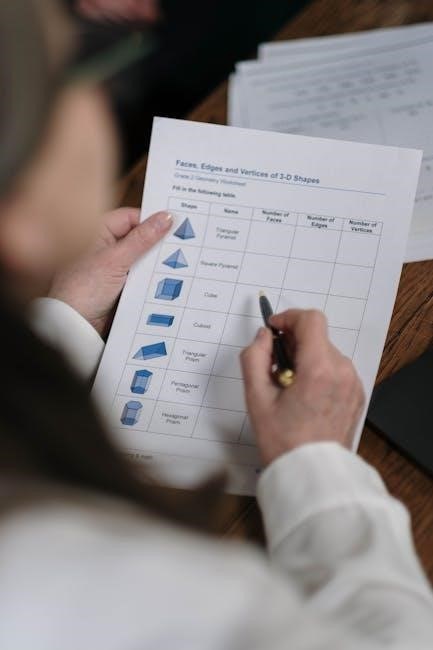
The engineering design process isn’t linear; it’s fundamentally iterative. A well-structured worksheet‚ particularly in PDF format‚ becomes invaluable for managing this cyclical nature. Initial designs rarely achieve optimal functionality‚ necessitating repeated cycles of testing‚ evaluation‚ and refinement. The worksheet provides a dedicated space to record each iteration – noting what worked‚ what didn’t‚ and the rationale behind subsequent modifications.

PDF worksheets excel here because they allow for annotations‚ comments‚ and version control. Teams can easily track changes made during each testing phase‚ ensuring no improvement is lost. This detailed record facilitates a deeper understanding of the design’s evolution‚ preventing redundant efforts and fostering a more efficient problem-solving approach. Furthermore‚ documenting failures is just as crucial as successes; a worksheet encourages honest assessment and learning from mistakes‚ driving continuous improvement throughout the project lifecycle. The ability to easily share and collaborate on a PDF version further enhances this iterative process.
Criteria for Successful Design
Establishing clear criteria is paramount to evaluating design success‚ and a comprehensive engineering design process worksheet‚ often in PDF format‚ provides a dedicated section for defining these metrics. These criteria should be specific‚ measurable‚ achievable‚ relevant‚ and time-bound (SMART). Examples include structural integrity‚ cost-effectiveness‚ user-friendliness‚ and adherence to specific regulations or standards.

The worksheet facilitates a collaborative approach to defining these criteria‚ ensuring all stakeholders agree on the benchmarks for success. It’s not enough to simply state “the design must be strong”; the worksheet prompts for quantifiable measures like “withstand a load of X kilograms” or “maintain stability under Y wind speed.” A PDF format allows for easy revision and version control as criteria evolve during the design process. Regularly referencing these pre-defined criteria during testing and evaluation ensures objectivity and prevents subjective biases from influencing the final design selection.

Engineering Design Process Worksheets: Types and Features
Various worksheet formats exist‚ from simple checklists to detailed templates; PDF versions offer portability‚ easy distribution‚ and consistent formatting for collaborative projects.
PDF Worksheet Advantages
PDF worksheets present several key benefits for managing the engineering design process. Their universal compatibility ensures accessibility across diverse operating systems and devices‚ eliminating formatting inconsistencies often encountered with other file types. This consistency is crucial for collaborative projects where multiple team members need to view and interact with the same document.
Furthermore‚ PDFs are easily shareable via email or cloud storage‚ facilitating efficient communication and version control. They also offer enhanced security features‚ allowing for password protection and restricted editing to maintain the integrity of the design documentation. The fixed-layout nature of PDFs prevents accidental alterations to the worksheet’s structure‚ ensuring that all team members are working with the most up-to-date and accurate information.
Finally‚ PDFs are relatively lightweight files‚ making them easy to store and transmit‚ even with complex diagrams or detailed notes incorporated within the worksheet itself.
Key Elements of a Comprehensive Worksheet
A robust engineering design process worksheet should systematically guide users through each stage‚ beginning with a clearly defined problem statement and space for detailed background research documentation. Sections for specifying precise design requirements – including measurable criteria – are essential. Ample room for brainstorming multiple potential solutions‚ coupled with a structured method for evaluating each option‚ is vital.
Crucially‚ the worksheet needs dedicated areas to outline the chosen solution‚ detailing its construction and testing plans. Space for recording test results‚ observations‚ and iterative improvements is paramount. Furthermore‚ a section for documenting stakeholder considerations and potential biases within the design process enhances the overall rigor.
Finally‚ a comprehensive worksheet should include areas for final design documentation‚ including sketches‚ diagrams‚ and a summary of lessons learned.
Applications of the Engineering Design Process
From crafting cardboard furniture to tackling architectural challenges‚ the engineering design process provides a versatile framework for innovative solutions across diverse disciplines.
Cardboard Furniture Design Projects
Utilizing the engineering design process within cardboard furniture projects offers students a tangible and accessible introduction to real-world engineering principles. Teams embark on a journey‚ beginning with defining the problem – perhaps designing a chair capable of supporting a specific weight or a table with certain dimensions.
Subsequent steps involve thorough background research into cardboard’s structural properties‚ followed by specifying clear requirements for the furniture’s functionality and aesthetics. Brainstorming sessions generate a multitude of potential solutions‚ ranging from simple folded designs to more complex interlocking structures.

The selection of the “best” solution is based on established criteria‚ leading to prototype construction and rigorous testing. This iterative process – building‚ testing‚ evaluating‚ and improving – is central to the engineering design methodology. A worksheet PDF helps document each stage‚ fostering collaboration and a clear record of design decisions‚ ultimately resulting in innovative and functional cardboard creations.
Architectural Design Applications
Applying the engineering design process‚ guided by a worksheet PDF‚ is crucial in architectural projects‚ from initial concept to final construction. Architects begin by defining the client’s needs and the site’s constraints – the core problem statement. Extensive background research into building codes‚ materials‚ and environmental factors follows‚ informing design decisions.
Specifying requirements encompasses structural integrity‚ accessibility‚ energy efficiency‚ and aesthetic goals. Brainstorming generates diverse design concepts‚ visualized through sketches and models. Selecting the optimal design involves evaluating feasibility‚ cost‚ and sustainability.
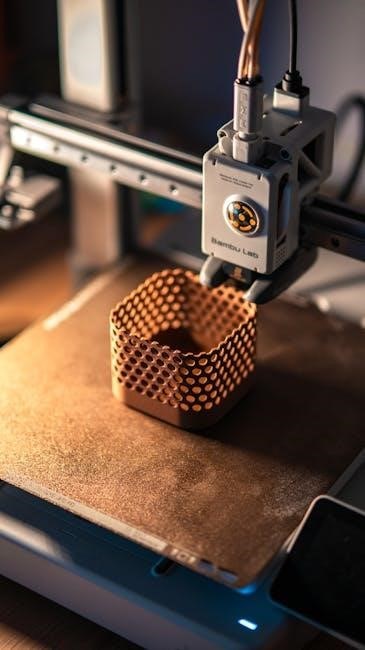
Prototyping might involve creating scaled models or utilizing digital simulations to test structural performance and spatial arrangements. Rigorous testing and evaluation‚ documented within the worksheet‚ ensure the design meets all criteria. The iterative nature of the process allows for continuous refinement‚ leading to innovative and functional architectural solutions.